

05
2022
-
11
Long-term pregnancy preparation without success? Listen to what the experts say about these "polycystic pitfalls"!
Polycystic Ovary Syndrome (PCOS) is a common disease among women of reproductive age caused by complex endocrine and metabolic disorders, characterized by chronic anovulation (disruption or loss of ovulation function) and hyperandrogenism (excess production of male hormones in women). The main clinical manifestations include irregular menstrual cycles, infertility, hirsutism, or acne, making it the most common female endocrine disorder.
Author:
For most women
Polycystic ovary syndrome is a disease that strikes fear.
Menstruation can be irregular.
It is also accompanied by symptoms such as hirsutism, acne, and obesity.
Especially for women of childbearing age with 'PCOS'.
Irregular ovulation, poor egg quality,
follicles not growing, and those that do grow not being released
are all obstacles on their path to pregnancy.

With changes in the disease,
PCOS patients often have ovarian function decline.
In addition to ovulation issues,
ultrasound may show a shrunken uterus.
Hormone levels and ovarian function assessment indicators (AMH)
all indicate ovarian function decline.

"What exactly is 'polycystic ovary'?"
Polycystic ovary syndrome (PCOS) is a common complex endocrine and metabolic disorder in women of reproductive age, characterized by chronic anovulation (disordered or lost ovulation) and hyperandrogenism (excess male hormone production in women), with main clinical manifestations including irregular menstrual cycles, infertility, hirsutism, or acne. It is the most common female endocrine disease.

To help answer questions for everyone,
let's first see what Director Gao has to say.
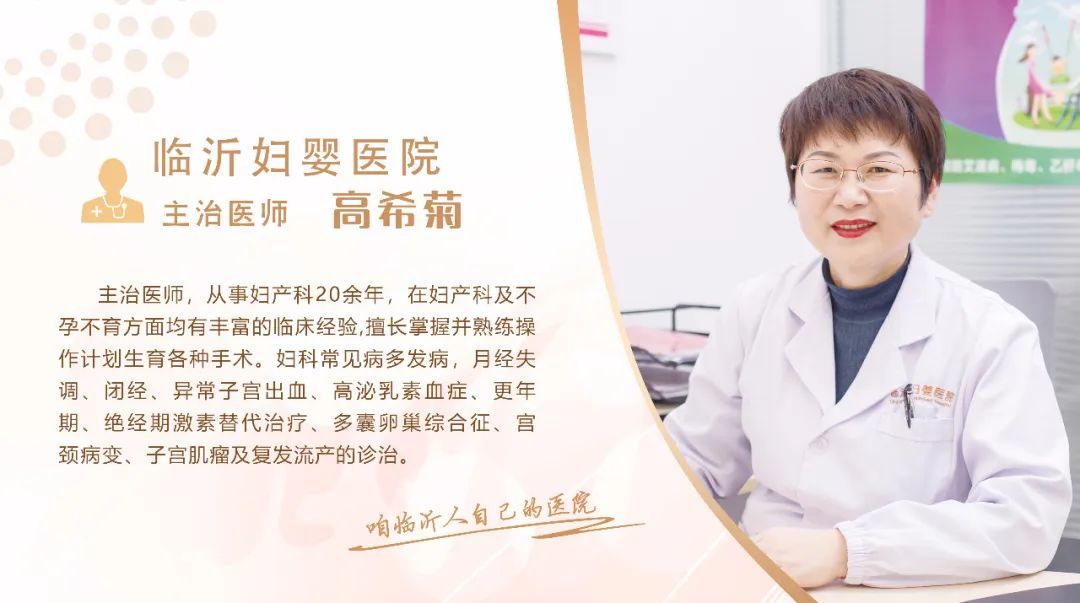
"Normally, PCOS patients have hormone levels and ovarian function assessment indicators (AMH) greater than 10, but some patients may show polycystic ovaries on ultrasound, yet have AMH levels of four point something, five point something, or even two point something, which is far below the standard for a normal PCOS patient, indicating poor ovarian function. Such patients need to establish a good foundation; otherwise, not only will they struggle to conceive, but they may also fail to maintain a normal menstrual cycle and even experience premature aging."
[Ovarian function decline, PCOS patients have stepped on these landmines]
Having a menstrual cycle does not mean ovulation is normal.
Many people believe that having a menstrual cycle means ovulation is normal and that they can conceive. In fact, some patients may have seemingly regular cycles, but whether they are ovulating or the quality of the follicles needs to be carefully understood, as such menstruation can be very 'deceptive'.
Thin people can also have PCOS.
It is not only the obese who suffer from PCOS; thin PCOS patients usually have AMH levels less than 10. An ultrasound may reveal many small follicles, and thin PCOS patients may have one large follicle, but it grows late. For example, most people will have a large follicle around 14-15 days, while thin PCOS patients often have to wait over 20 days, or even a month.
Sudden cessation of menstruation in adolescence should be taken seriously.
If some adolescents suddenly stop menstruating after just starting or after one or two years, many parents may think there is no problem and let it be. If it drags on for one or two years, it cannot be improved just by taking a few medications. Therefore, I remind parents that if their child’s menstruation is still problematic a year after menarche, they should seek medical attention as soon as possible.
Understand your own situation and develop a plan.
Some patients may take medication for several months only to find that their menstruation comes with medication and stops without it. PCOS patients must be aware of their own issues and choose the most suitable treatment plan.
Related Content
Health Hotline
Address: No.18, Zhongshan Road, Lanshan District, Linyi City, Shandong Province
Outpatient service hours: 8:00-20:00 (24 hours a day)
Night clinic: 24 hours (24 hours a day)

Public Number
Video Number
Tiktok